Food & Beverage
Snacks, drinks, frozen or takeaway items.
Carton / sleeve / corrugated.png)
Custom packaging made understandable
You do not need to know box terminology or technical specifications. Tell us what you are packing and we will help choose the structure, material and finish.
New to custom packaging?
Start with your product. We’ll help you understand the size, structure, material and finish needed to create the right packaging.
No box knowledge needed
Choose the closest category. These suggestions are a starting point—not a decision you need to make alone.
Snacks, drinks, frozen or takeaway items.
Carton / sleeve / corrugatedPerfume, skincare and makeup.
Folding carton / rigid boxBottles, sachets and health products.
Folding carton / display boxDevices, accessories and components.
Rigid / corrugated / insertGarments, jewellery and fashion items.
Mailer / rigid / sleeveGift sets, awards and branded items.
Rigid / mailer / sleeveProducts shipped directly to customers.
Mailer / corrugated boxItems displayed on store shelves.
Folding carton / window boxLaunch kits and campaign packs.
Mailer / sleeve / gift boxSomething different or custom-shaped.
We’ll recommend a structurePlain-English guide
Compare how each box is built, what it is best for and its relative strength and cost.
Lightweight printed paperboard box that folds flat before assembly.
Stronger box with a fluted inner layer for shipping and heavier items.
Thick premium box that stays formed and does not fold flat.
A printed cover that slides around a product or existing box.
A self-locking box that folds together without packing tape.
Simple dimensions
Measure the inside space your product needs, not just the outside of the box.
A simple explanation
A dieline is the flat technical drawing used to cut and fold your packaging into its final shape.
Where the material is cut.
Where the packaging folds.
Joined during assembly.
Extra print prevents white edges.
Keep text and logos inside.
Packaging engineering
Built around the space your product needs.
Cutting and folding instructions for production.
Your design is positioned safely on the structure.
Size, material and finish are checked before printing.
Choose by need
You can tell us how the box should look and perform—we can recommend the technical material.
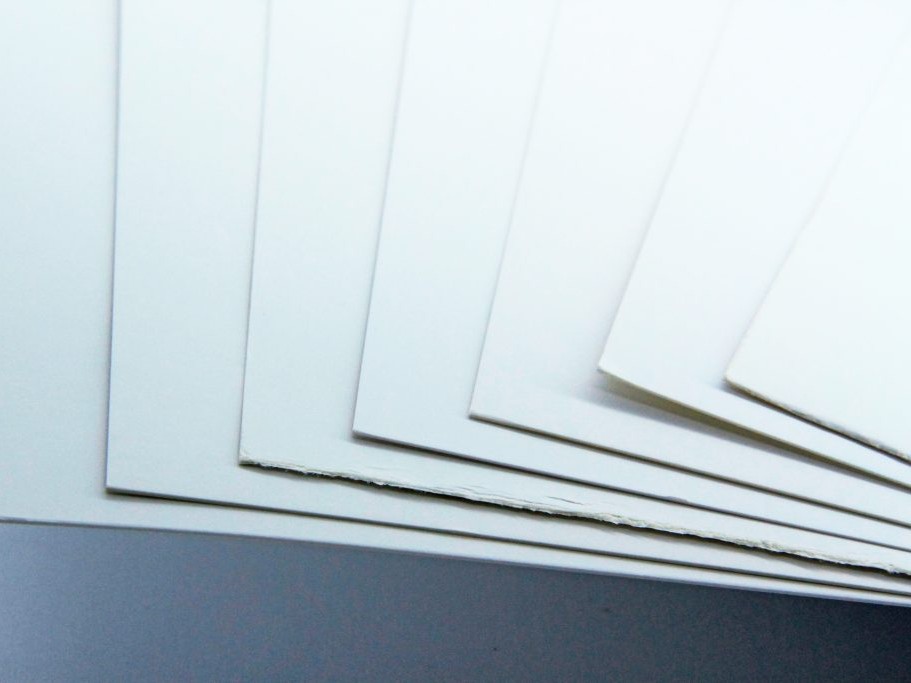
Lightweight & clean
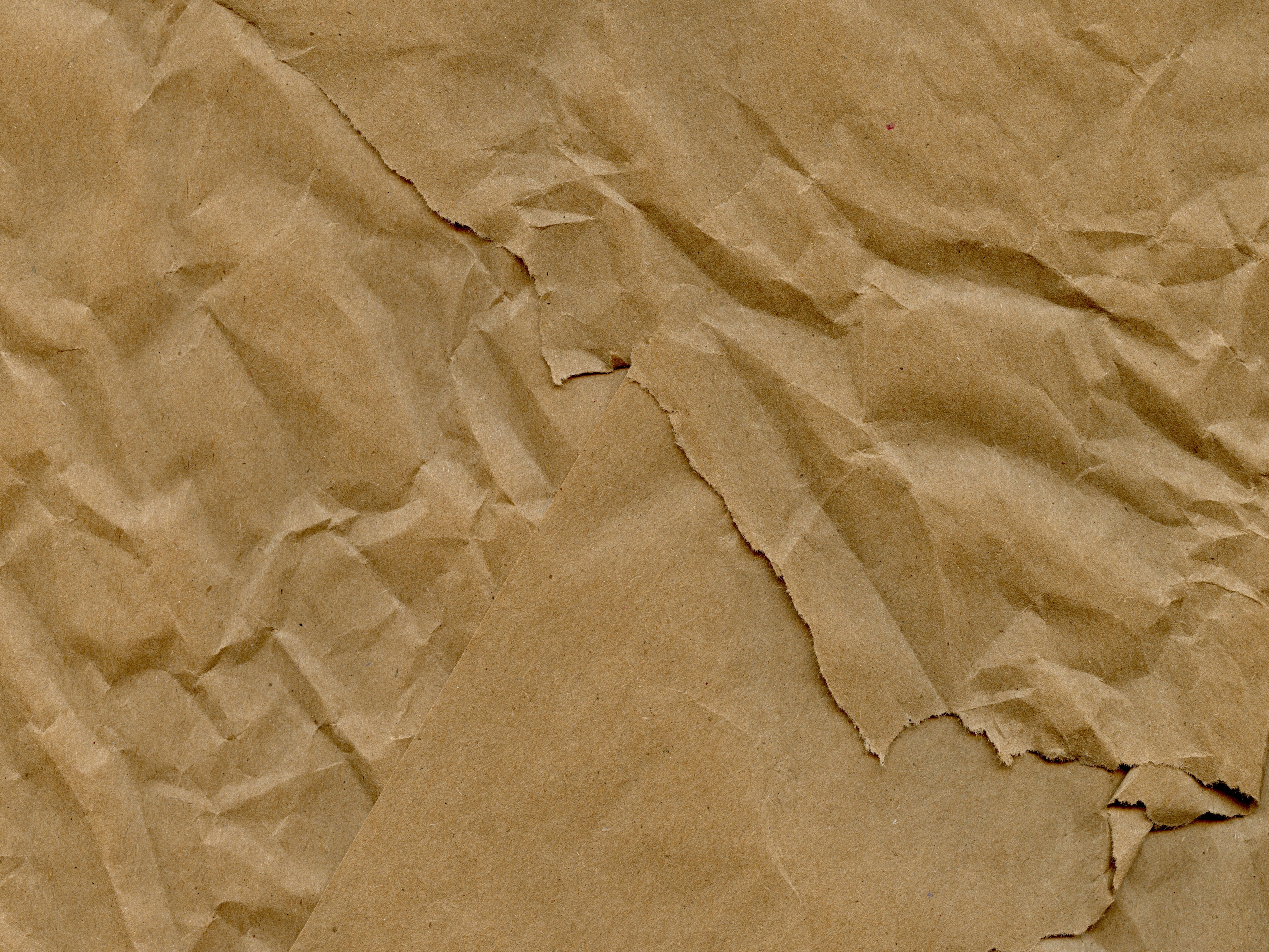
Natural look
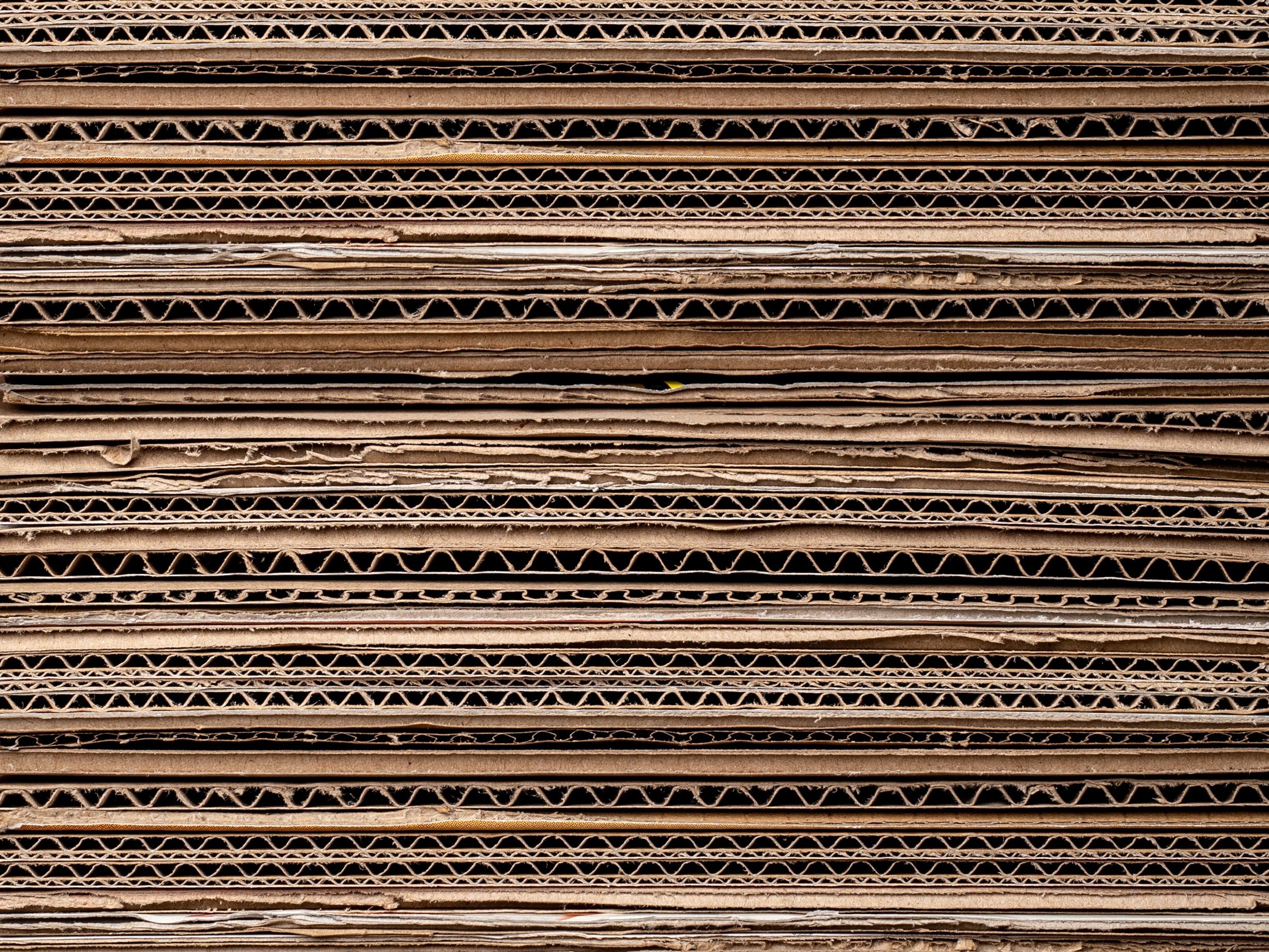
Stronger shipping box
Premium presentation
What does GSM mean?
GSM means grams per square metre. Board type and construction also affect strength.
Finishing for beginners
Finishing changes the surface, shine and texture after printing.
Soft & premium
Shiny & vibrant
Selective shine
Metallic details
Raised logo
Pressed-in logo
You don’t need to memorise these
These common structures help us understand how you want the box to open and assemble.
Top and bottom close in the same direction. Good for cosmetics and medicine.
Top and bottom close in opposite directions. Efficient for general retail boxes.
The base locks automatically for quicker assembly and heavier products.
A printed cover slides around a tray, product or existing box.
Self-locking structure for e-commerce, gifts and subscriptions.
A cut-out opening lets customers see the product inside.
Flat to finished
You provide product details.
We prepare the structure.
Design is placed on the dieline.
Artwork is printed on material.
Lamination, foil, UV or emboss.
Sheets are cut to shape.
Packaging is folded or glued.
Ready for product packing.
Simple cost factors
Higher quantities usually reduce the cost per unit.
Larger packaging uses more material.
Premium or thicker materials cost more.
Complex printing can add production steps.
Foil, UV and embossing require extra processes.
Complex boxes may require more cutting and assembly.
Before you enquire
You do not need to know everything. Send what you have and we can help with the rest.
Beginner-friendly enquiry
It is completely fine to select “Not sure”. Our team can recommend the right option.